
Headless using AEM Sites, not only Content Fragments
Headless delivery in AEM is often associated with flexibility, performance, and modern frontend architectures. For developers, this usually sounds like a clear step forward.

Blog
Insights, ideas, and practical guidance on AEM, headless architecture, and building better digital experiences.
Our blog exists to share practical insights for enterprise teams building modern digital experience platforms and content supply chains. We document our learnings, best practices, and technical guidelines to inspire developers, architects, and decision-makers working with headless, composable, and enterprise-scale systems.

13 articles in Performance
Try another word from the title, or a date such as “2025”, “March 2025” or “2025-03-14”.
Headless delivery in AEM is often associated with flexibility, performance, and modern frontend architectures. For developers, this usually sounds like a clear step forward.

Enterprise AEM projects rarely fail at launch. They tend to fail years later, when change becomes slow, risky, and disproportionately expensive. Most AEM implementations go live successfully.
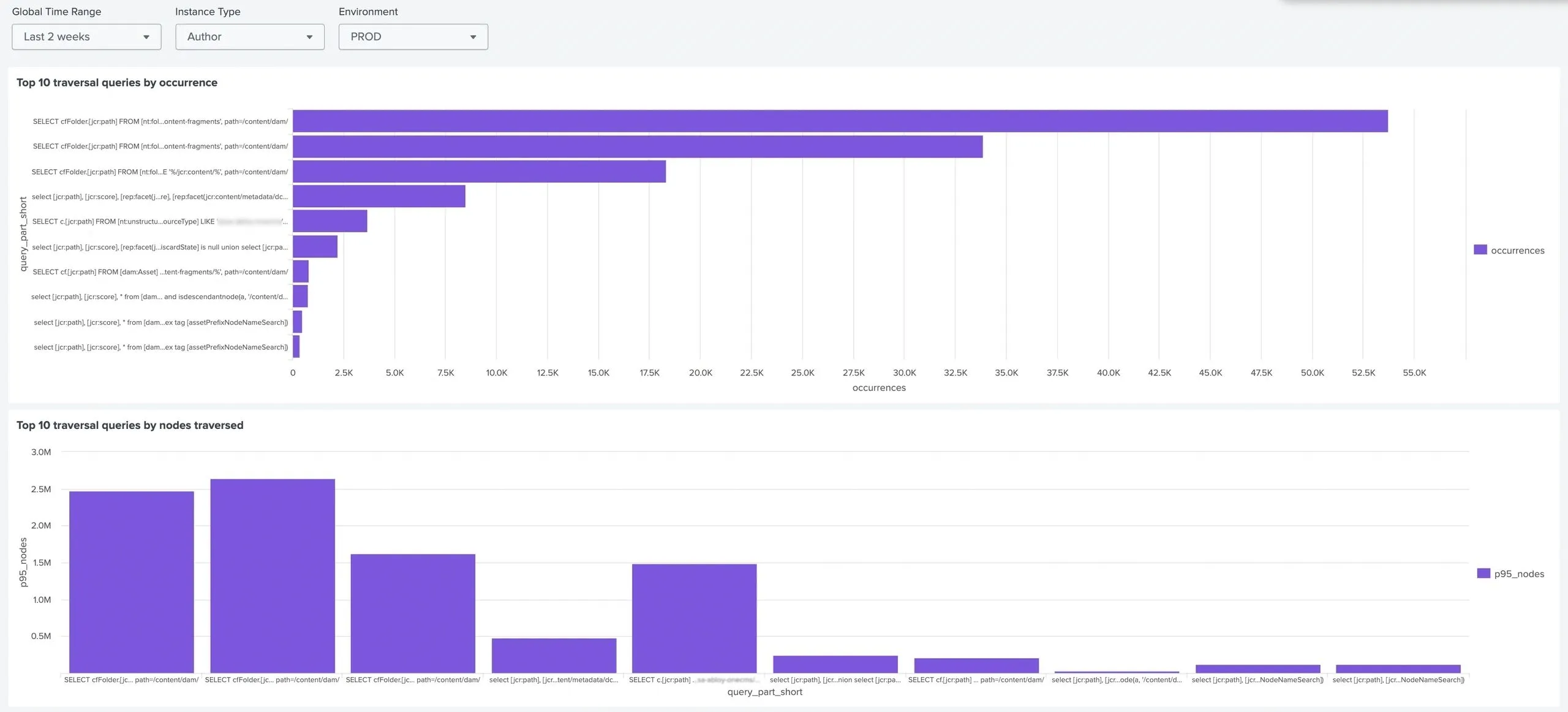
Index traversal is one of the most common and most misunderstood causes of performance issues in Adobe Experience Manager (AEM).
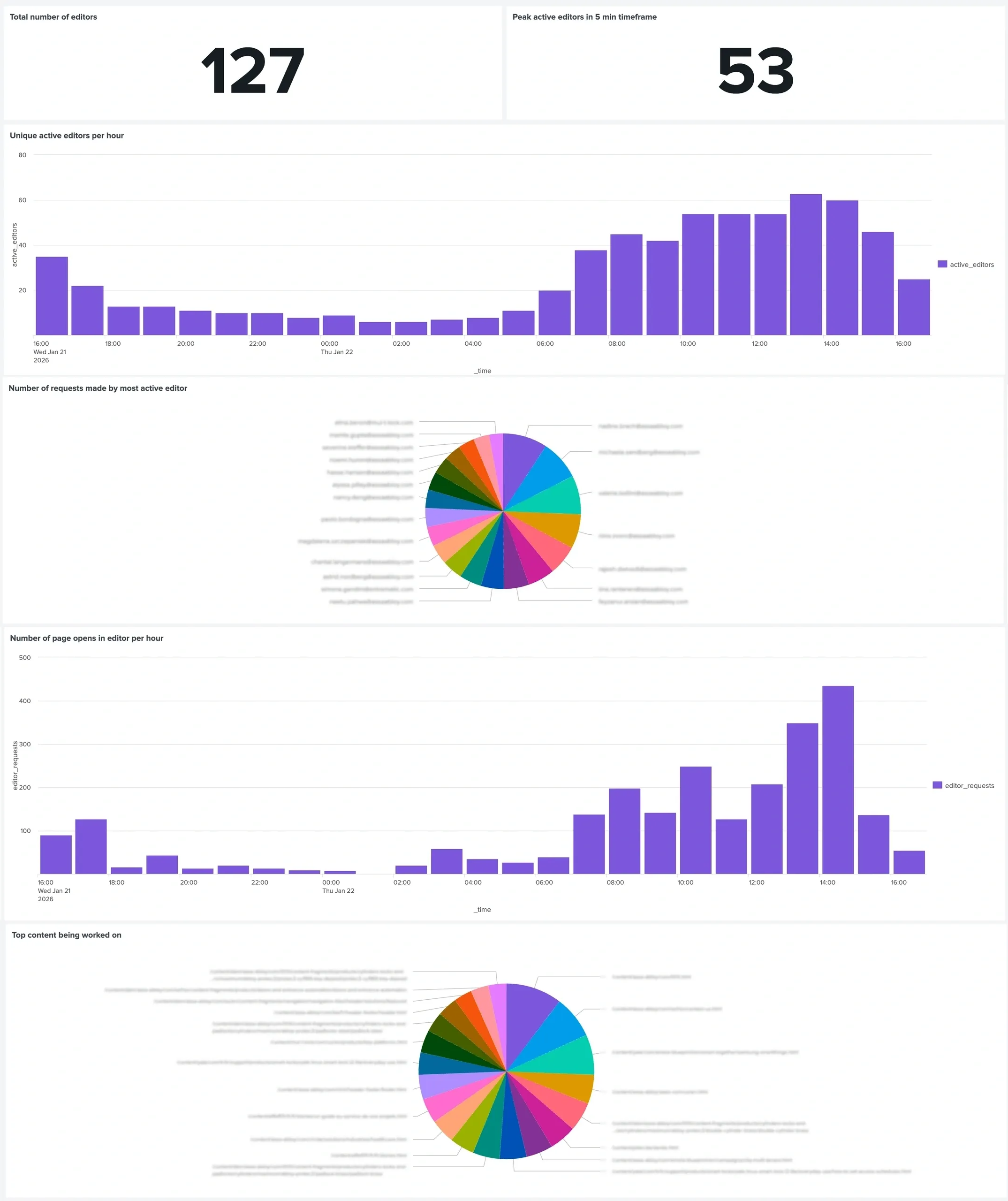
When we talk about performance optimization in AEM as a Cloud Service (AEMaaCS), we usually focus on Dispatcher caching, CDN configuration, frontend performance, query indexing or backend refactoring.
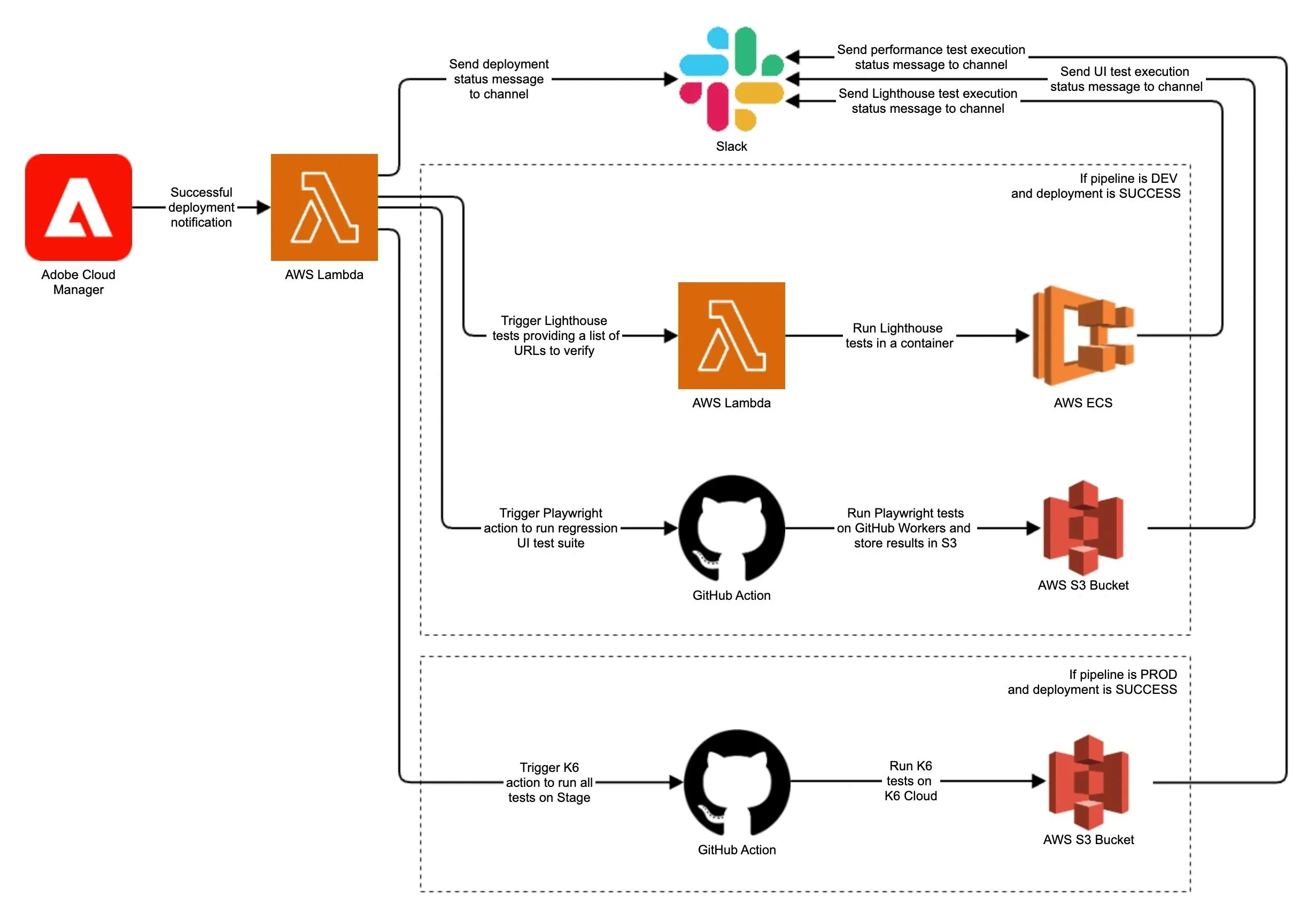
In the first part of our test automation blog series, we explored why test automation is essential for AEM as a Cloud Service (AEMaaCS), where continuous delivery and shared code ownership simply make manual testing inefficient.
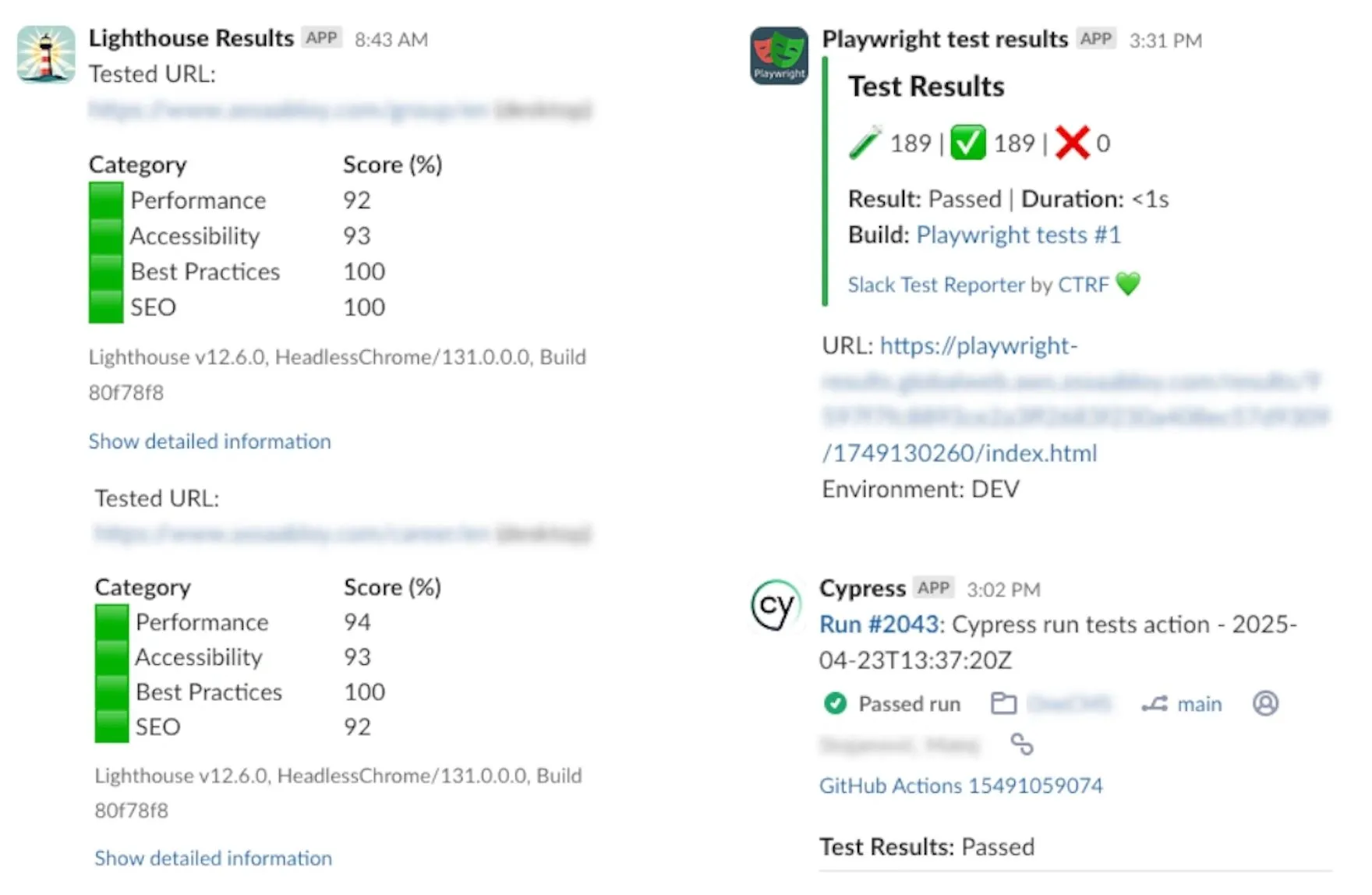
AEM as a Cloud Service (AEMaaCS) shifts Adobe Experience Manager from a release-based model to a continuously delivered, cloud-native platform.
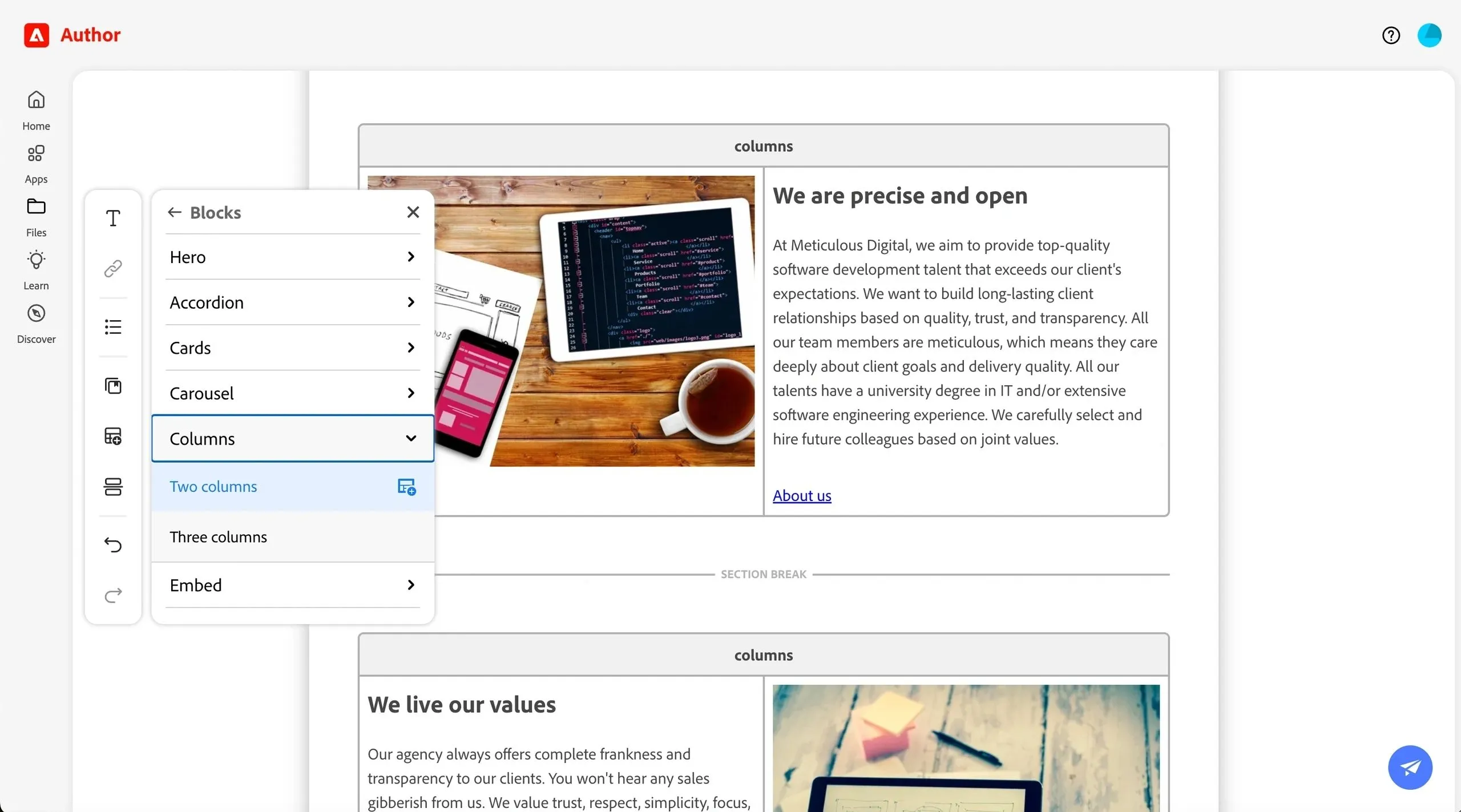
The first time I saw our partners at Adobe present document-based authoring, I thought it was a great solution for smaller and short-lived sites.

As the digital landscape evolves, Adobe Experience Manager (AEM) project owners need to prioritize strategic investments to stay ahead.

As an AEM developer, staying current with Java versions ensures we can leverage the latest features, security patches, and performance improvements.
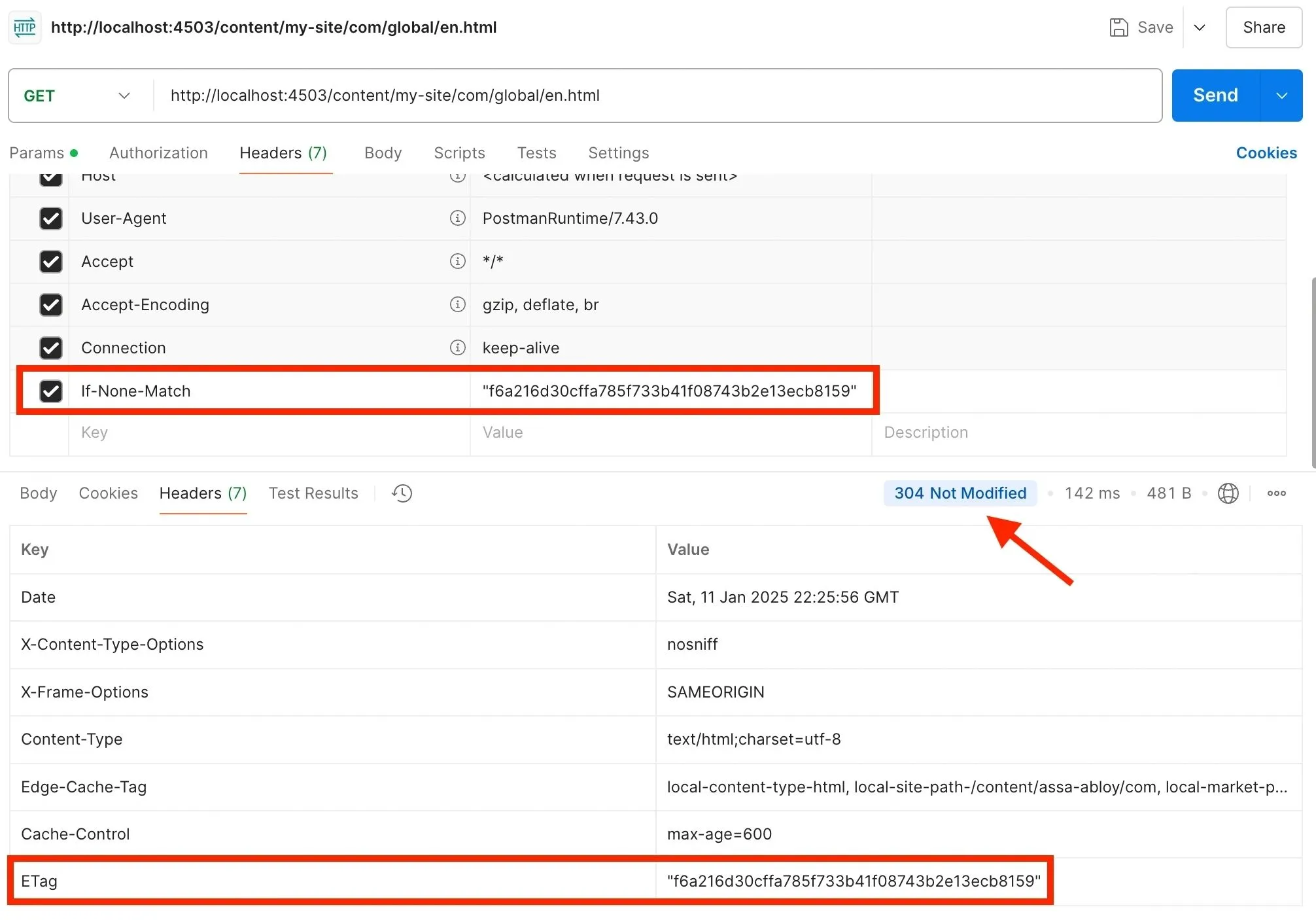
As an Adobe Experience Manager (AEM) developer, understanding HTTP cache headers is essential to optimize content delivery, enhance website performance, and ensure a seamless user experience.
Showing 10 of 13 articles in Performance
Show more articles+3