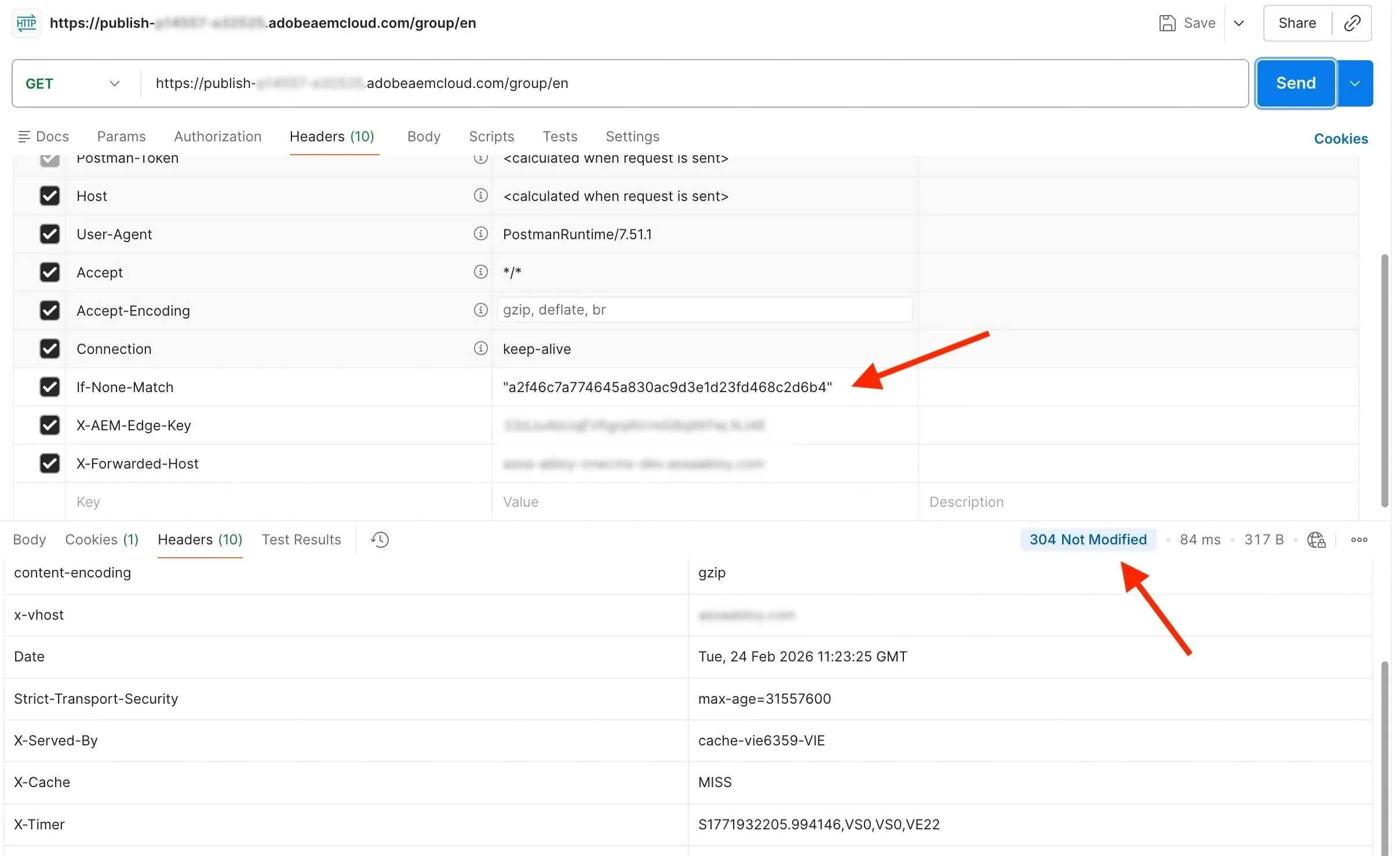
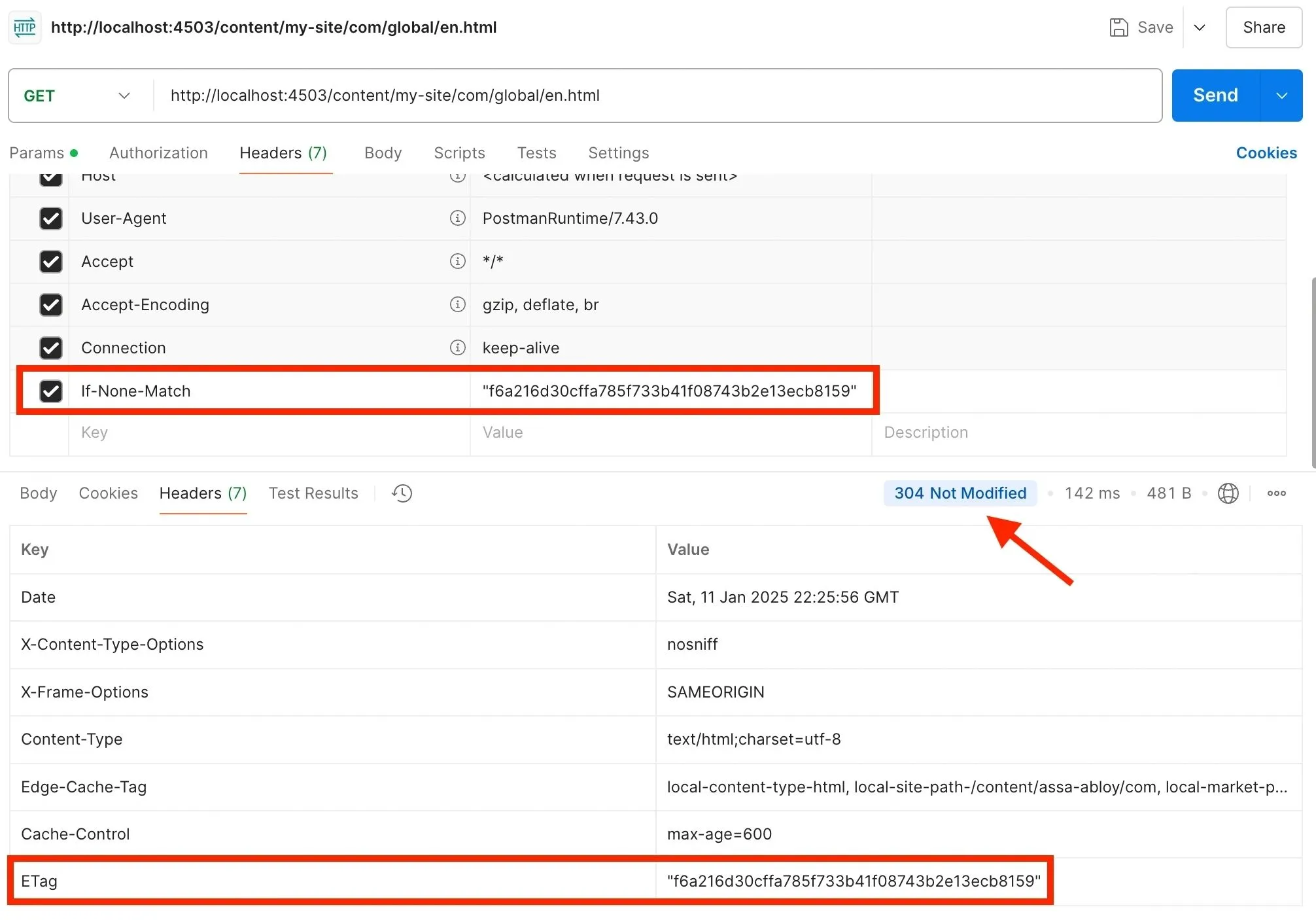
Proper ETag Support Finally Arrives in the AEMaaCS Dispatcher
Reducing unnecessary network traffic is a core goal of HTTP caching, and one of the most effective mechanisms for achieving this has been part of the protocol for decades.

Blog
Insights, ideas, and practical guidance on AEM, headless architecture, and building better digital experiences.
Our blog exists to share practical insights for enterprise teams building modern digital experience platforms and content supply chains. We document our learnings, best practices, and technical guidelines to inspire developers, architects, and decision-makers working with headless, composable, and enterprise-scale systems.

6 articles in CDN
Try another word from the title, or a date such as “2025”, “March 2025” or “2025-03-14”.
Reducing unnecessary network traffic is a core goal of HTTP caching, and one of the most effective mechanisms for achieving this has been part of the protocol for decades.
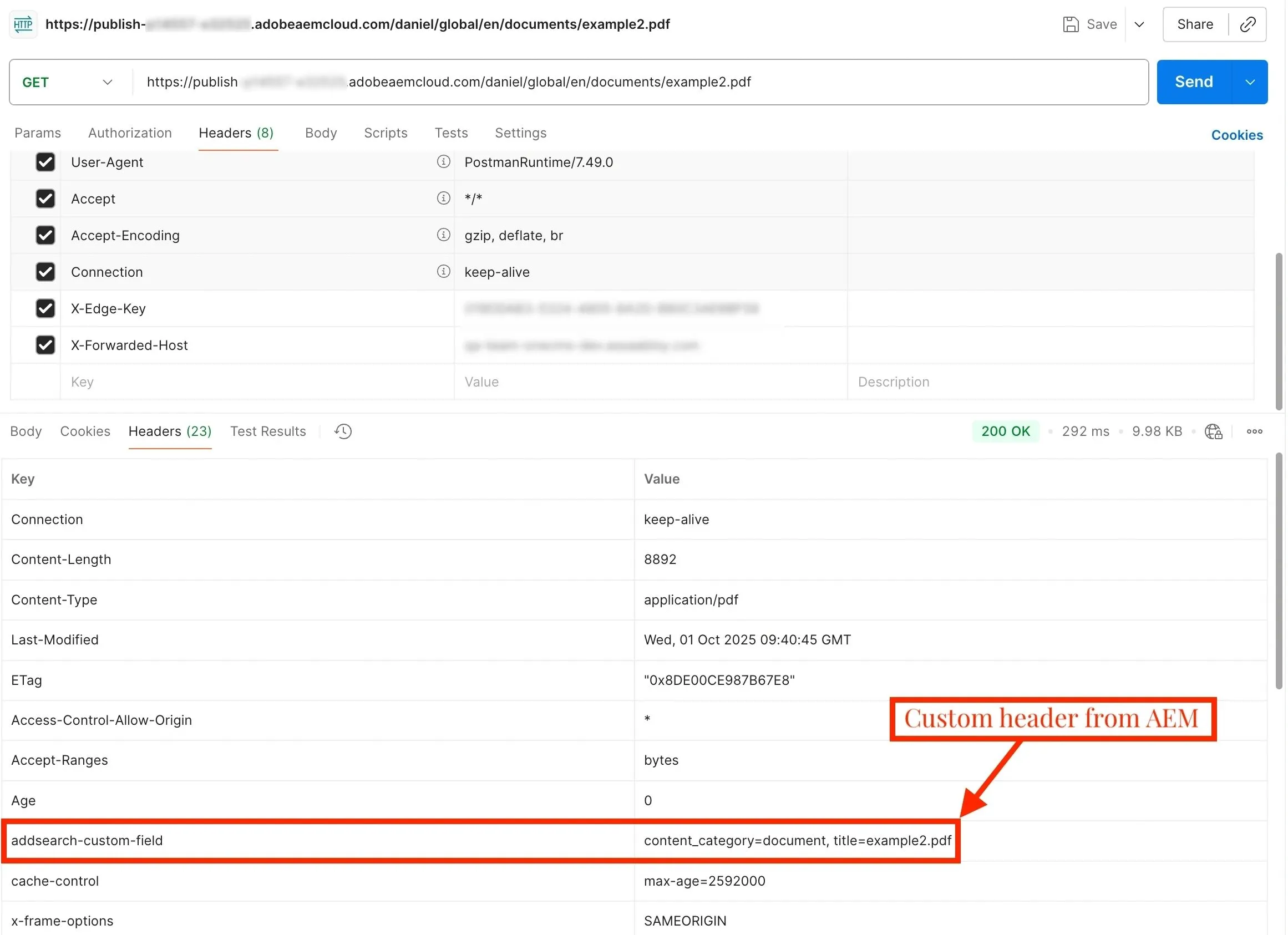
When we make a request to fetch an asset from AEM as a Cloud Service (AEMaaCS), our request doesn’t go straight to the AEM Publish instance.
As an Adobe Experience Manager (AEM) developer, understanding HTTP cache headers is essential to optimize content delivery, enhance website performance, and ensure a seamless user experience.
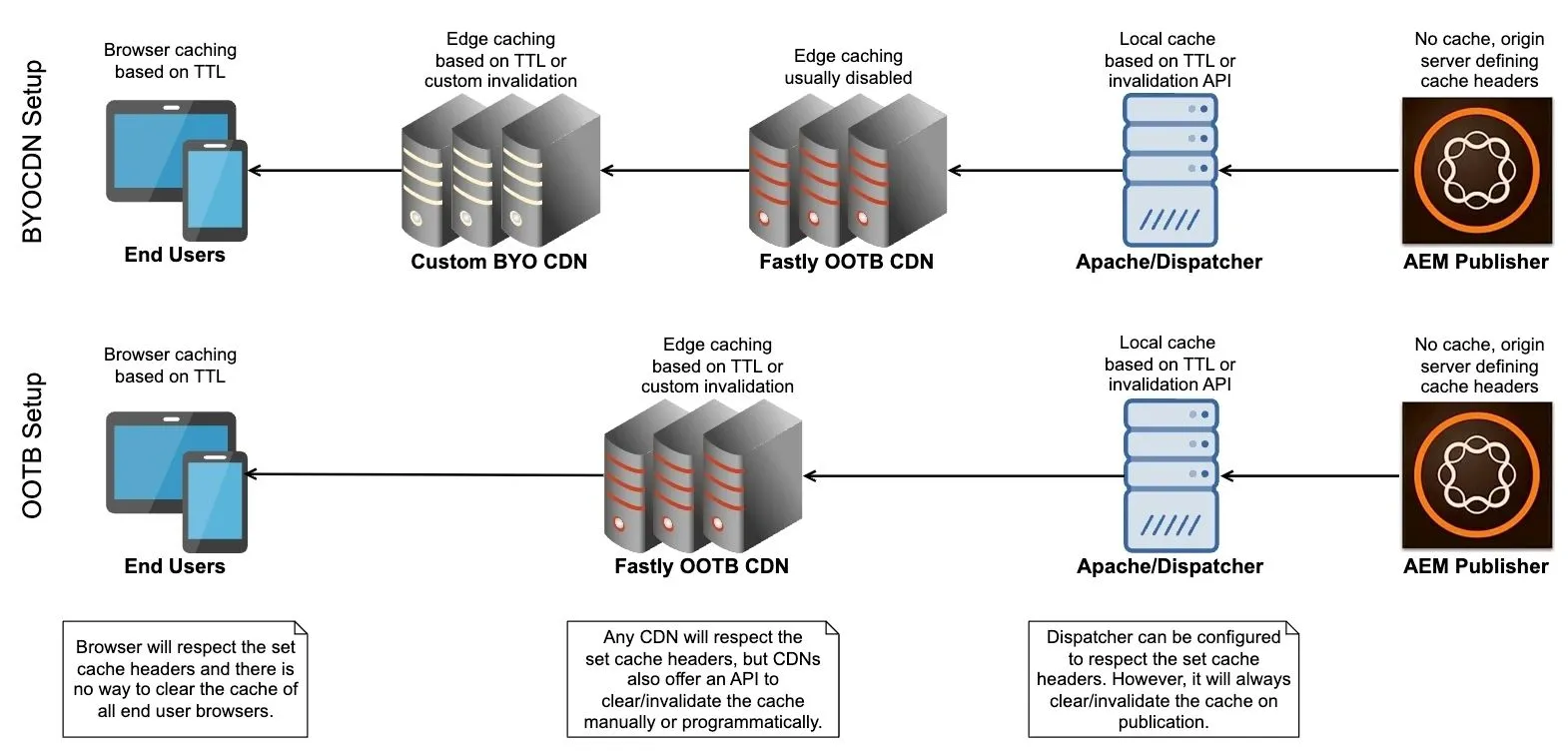
Caching is a critical component in the performance and scalability of web applications.
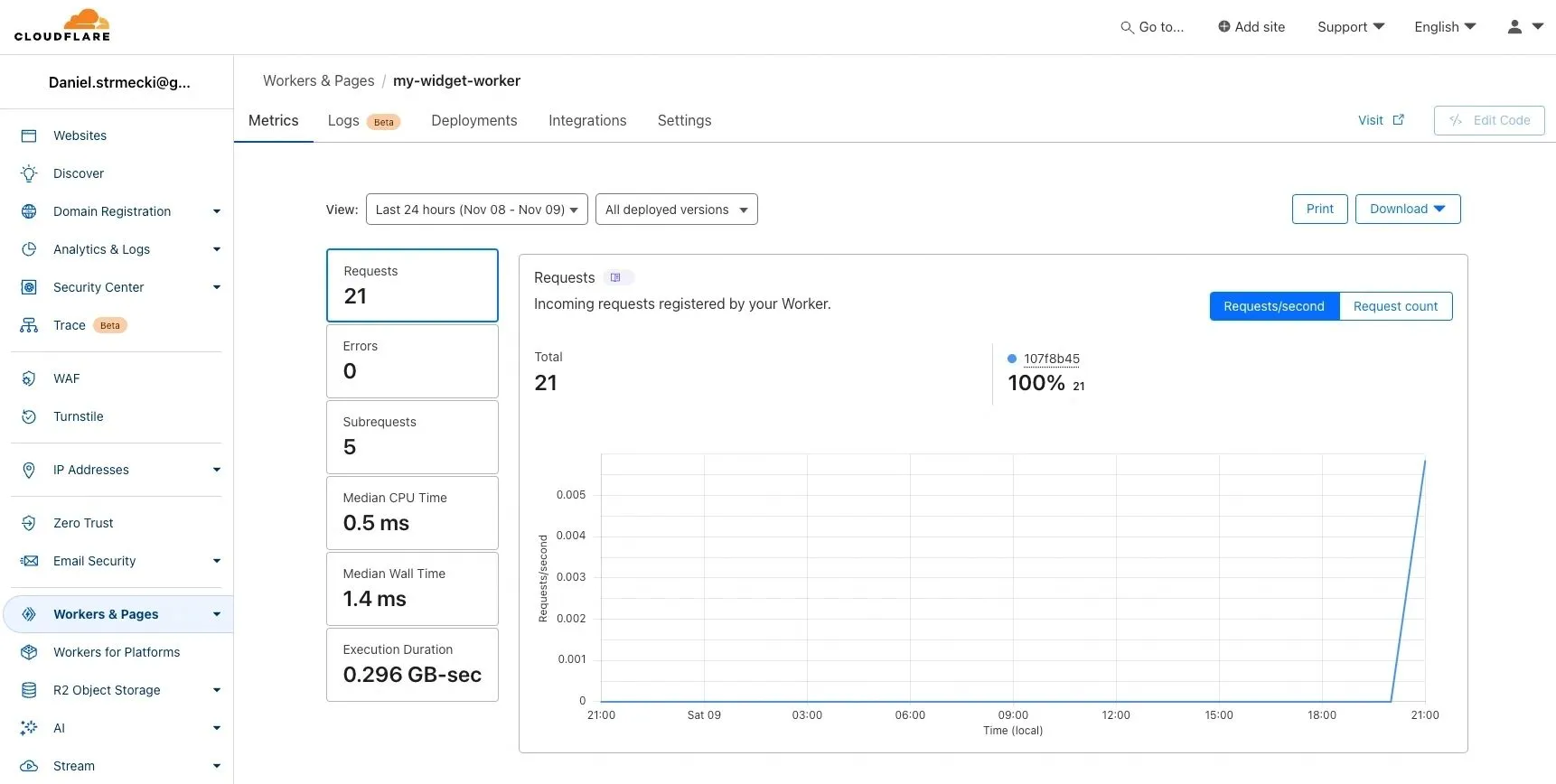
Recently, I stumbled upon a requirement to support third-party teams in developing their own small widgets, basically front-end applications that could easily integrate with our CMS.
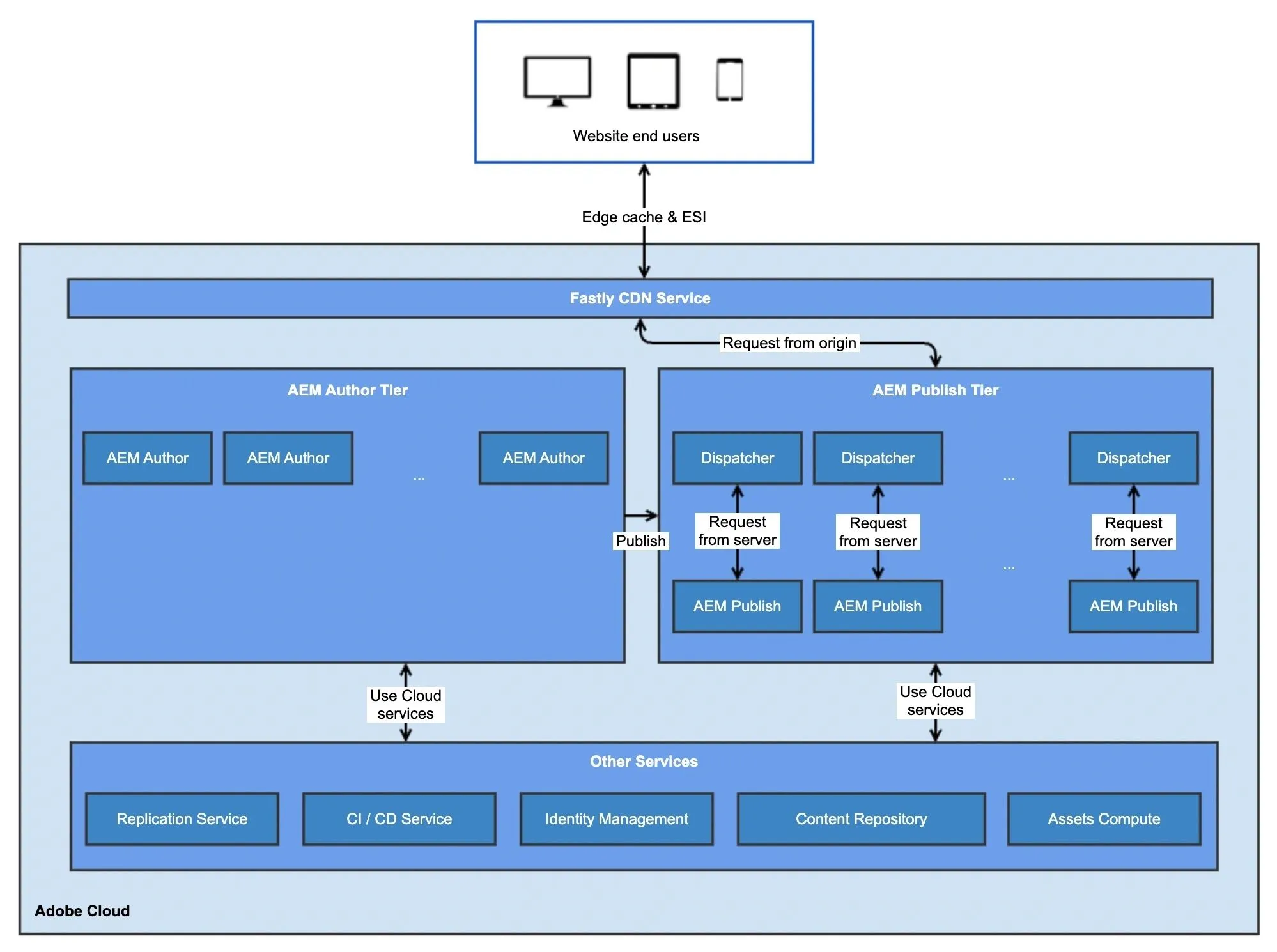
As I've been working with AEMaaCS since its early days, the OOTB Adobe-managed Fastly CDN option used to be very limited for customization.
Showing 6 of 6 articles in CDN