
What AEM Upgrades to Prioritise in 2025?
As the digital landscape evolves, Adobe Experience Manager (AEM) project owners need to prioritize strategic investments to stay ahead.

Blog
Insights, ideas, and practical guidance on AEM, headless architecture, and building better digital experiences.
Our blog exists to share practical insights for enterprise teams building modern digital experience platforms and content supply chains. We document our learnings, best practices, and technical guidelines to inspire developers, architects, and decision-makers working with headless, composable, and enterprise-scale systems.

35 articles available
Try another word from the title, or a date such as “2025”, “March 2025” or “2025-03-14”.
As the digital landscape evolves, Adobe Experience Manager (AEM) project owners need to prioritize strategic investments to stay ahead.
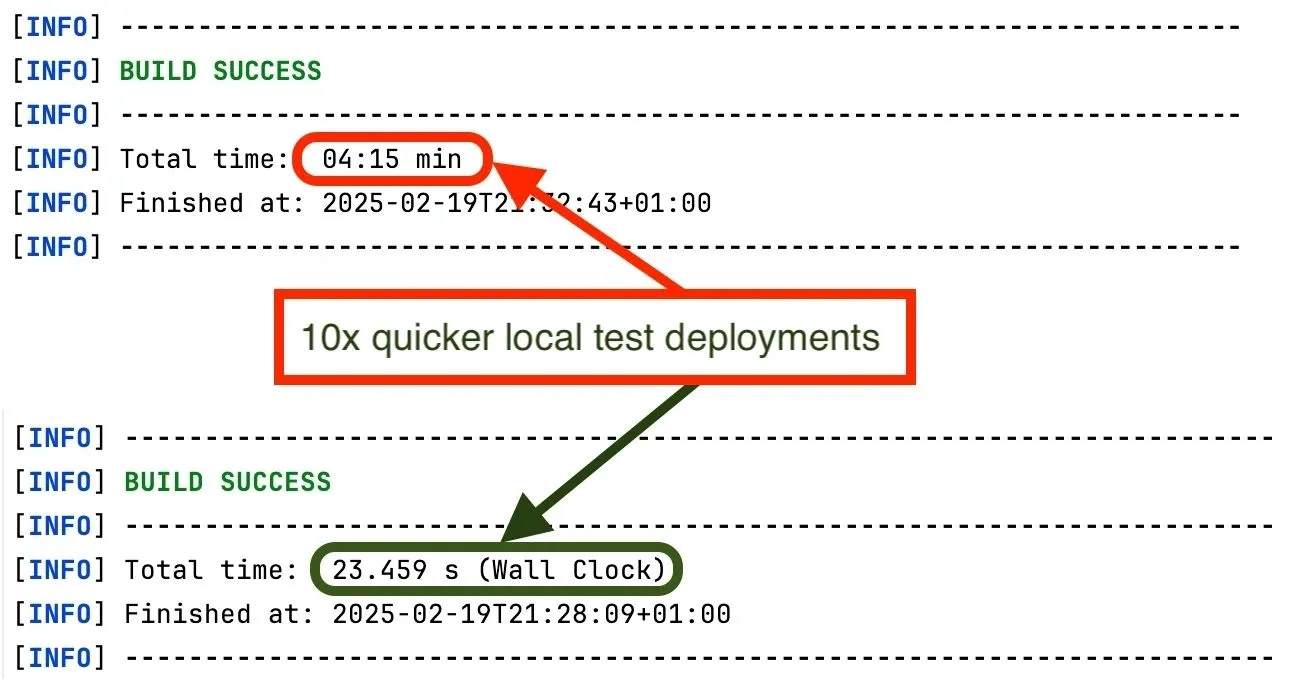
Developing and testing in Adobe Experience Manager (AEM) can be a time-consuming process, especially in large, multi-module projects with multiple teams working in parallel.
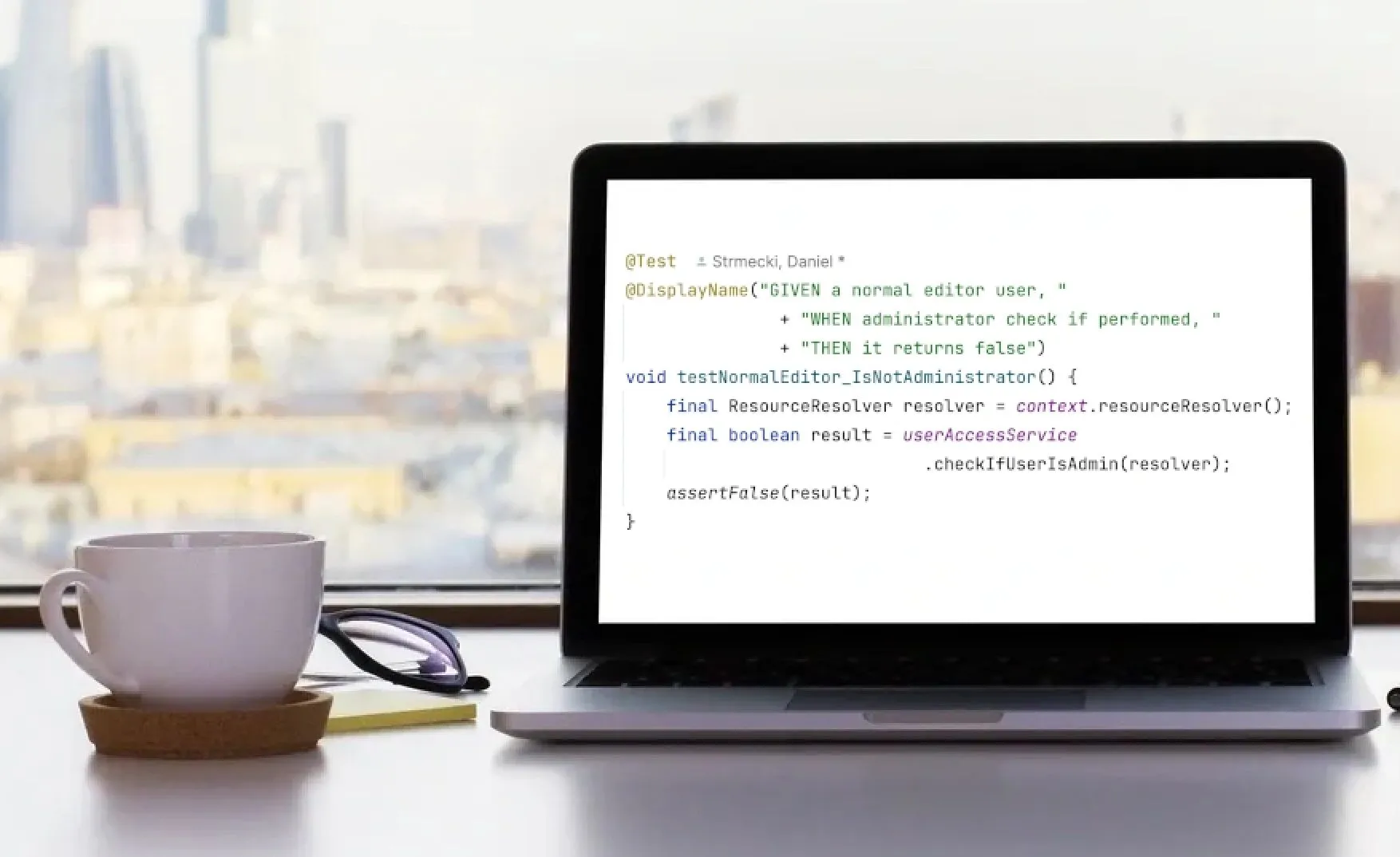
When writing unit tests in Adobe Experience Manager (AEM), developers often mock or fake classes and methods using libraries like Mockito. While effective, this approach can become repetitive and difficult to maintain as the codebase grows.

As an AEM developer, staying current with Java versions ensures we can leverage the latest features, security patches, and performance improvements.

URL shortening or mapping is a crucial aspect of modern web development, so the same is valid in Adobe Experience Manager (AEM) projects.
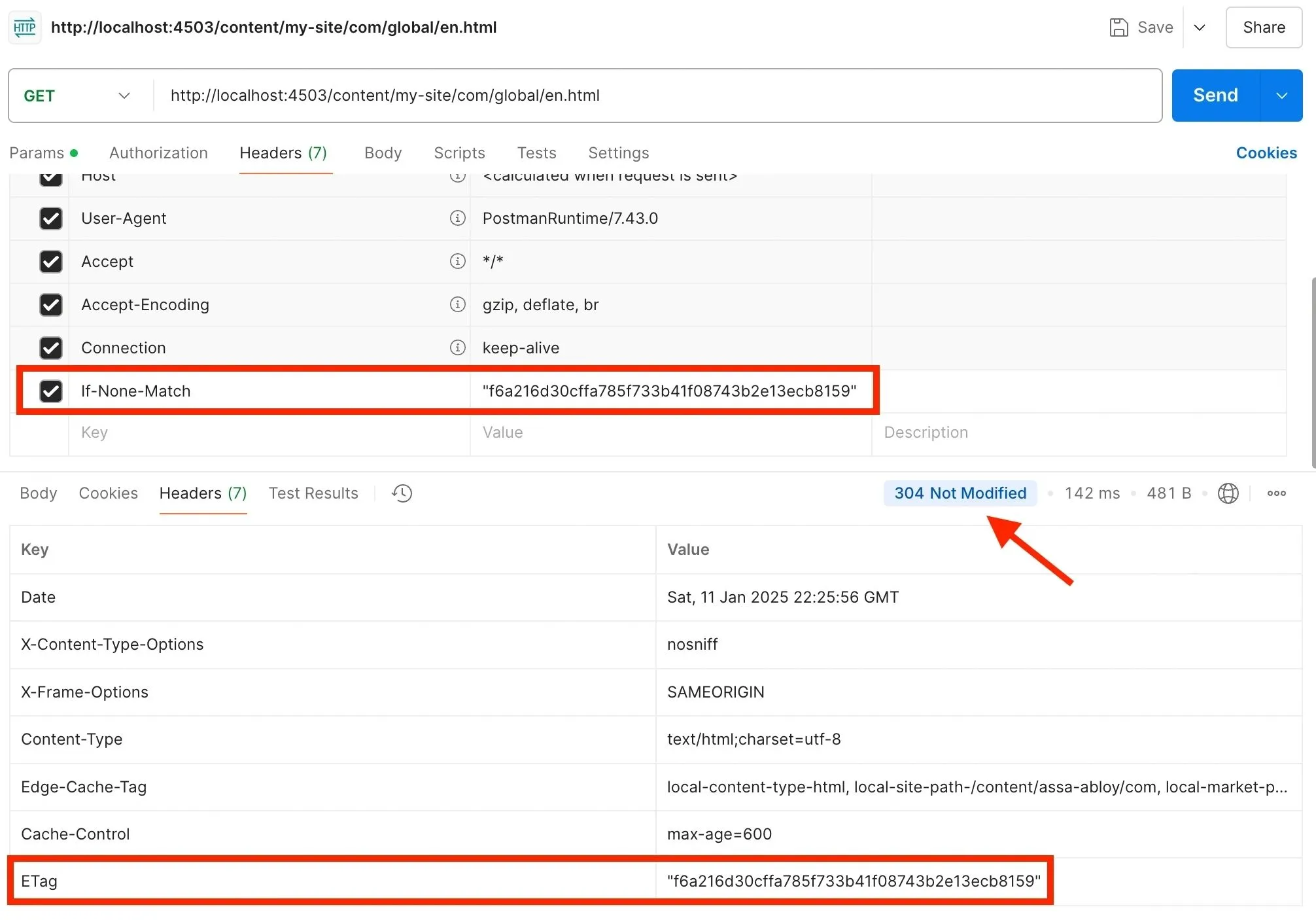
As an Adobe Experience Manager (AEM) developer, understanding HTTP cache headers is essential to optimize content delivery, enhance website performance, and ensure a seamless user experience.
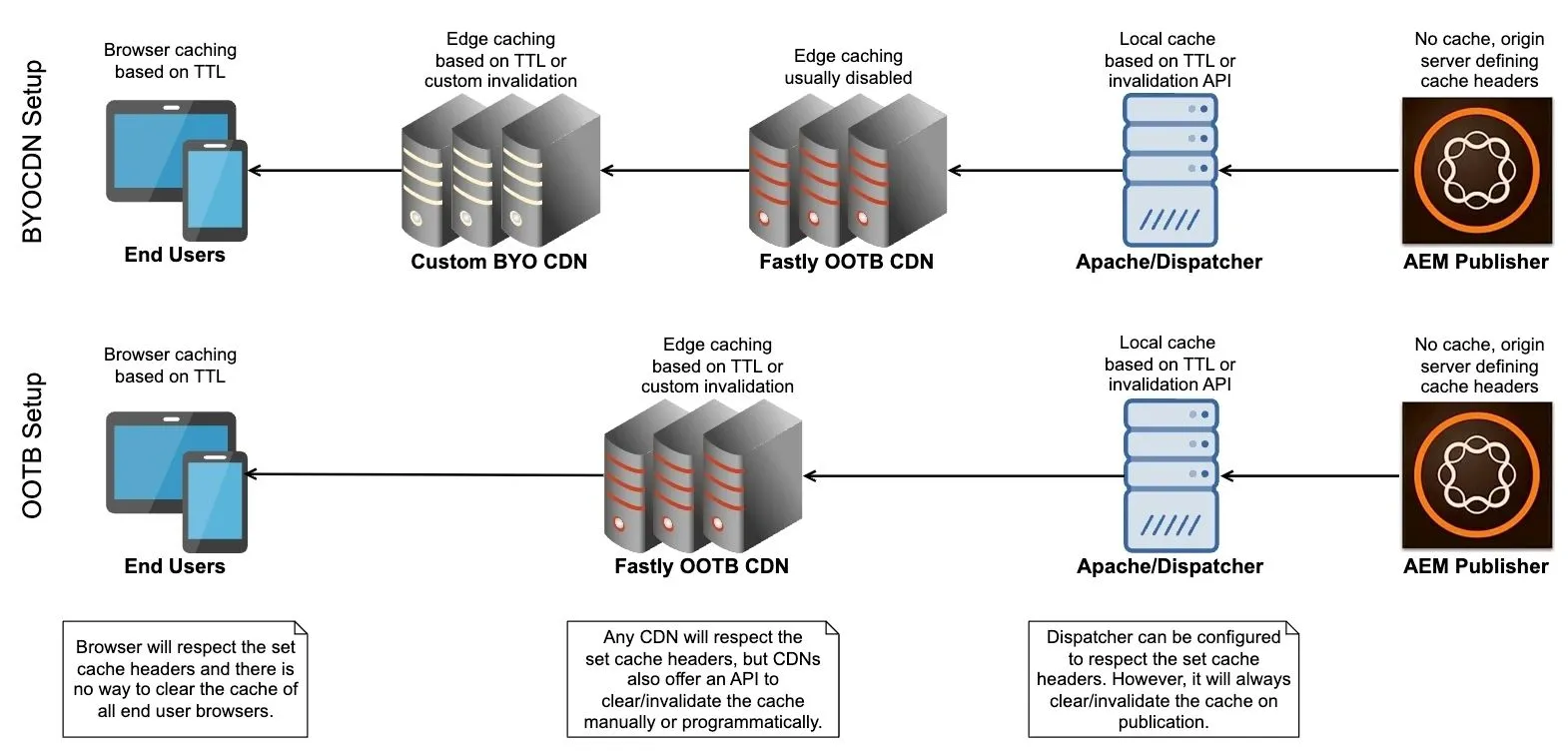
Caching is a critical component in the performance and scalability of web applications.
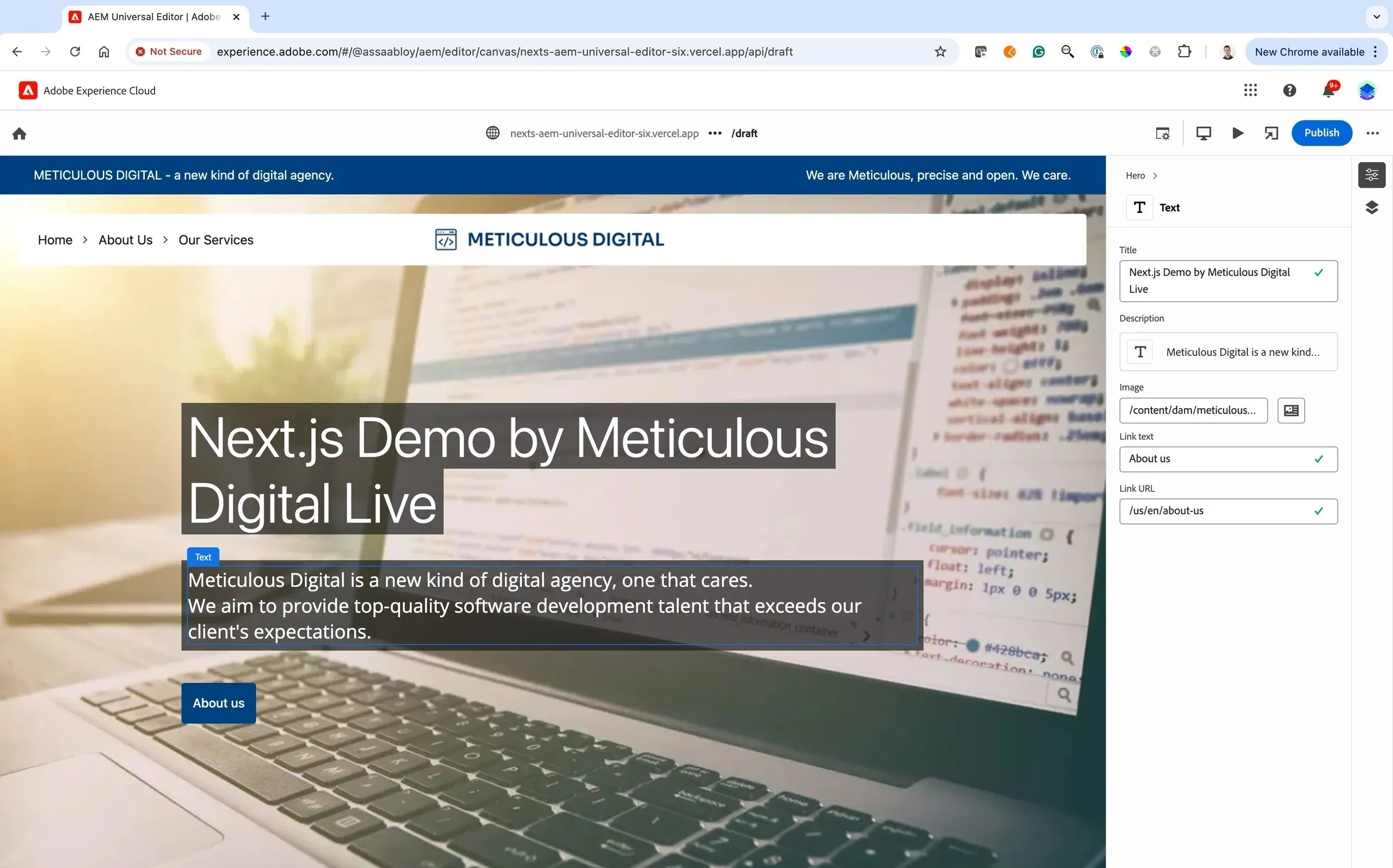
I recently talked with many clients about Adobe Edge Delivery Services (EDS) and got mixed feedback.
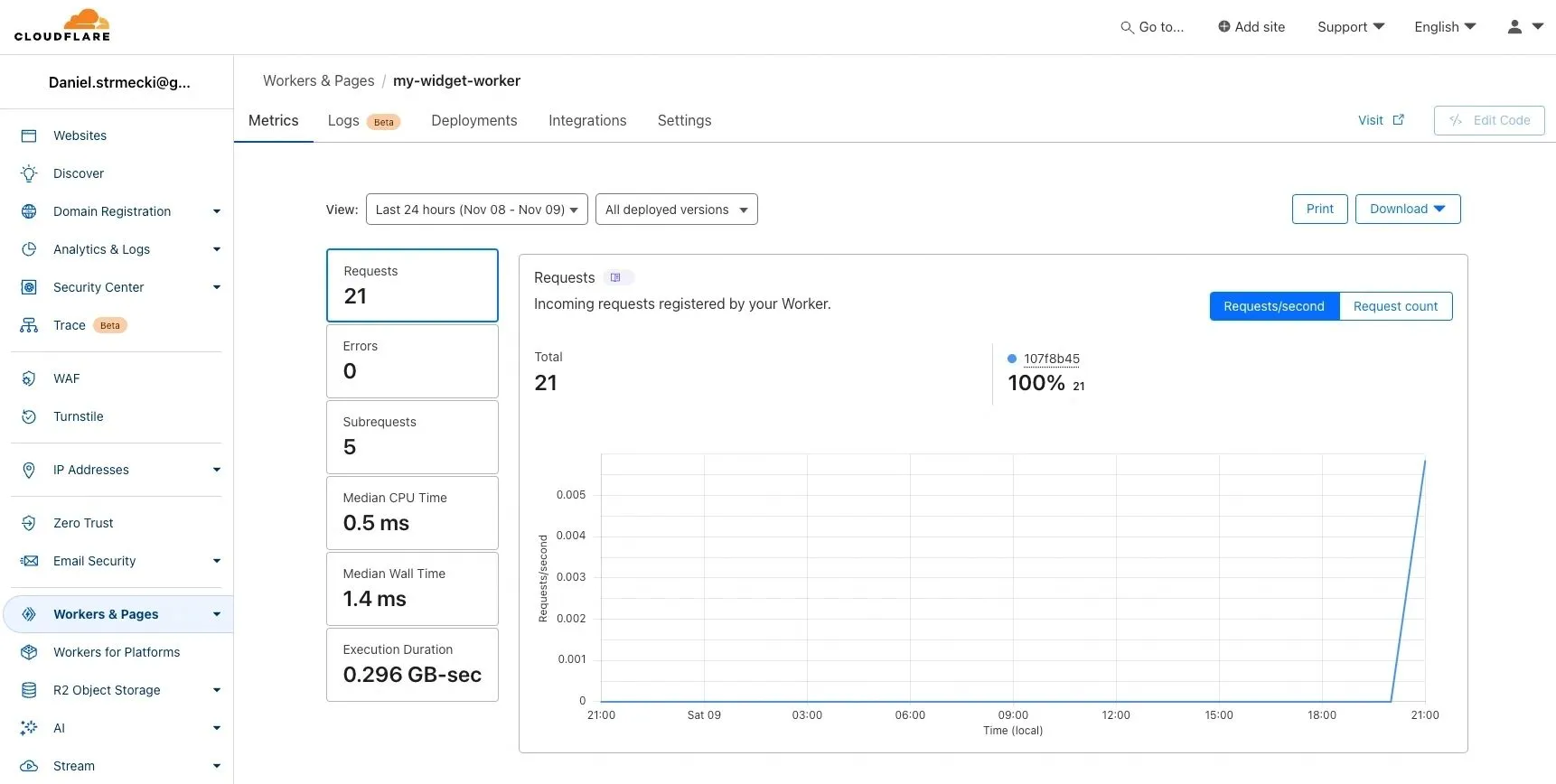
Recently, I stumbled upon a requirement to support third-party teams in developing their own small widgets, basically front-end applications that could easily integrate with our CMS.
Articles 20–28 of 35
Show more articles+7